
Sleep Smarter: 7 Daily Habits That Improve Your Rest Naturally
Quality sleep isn’t just about what happens at night — it’s deeply influenced by the habits you build throughout your day. If you’re tossing and turning or waking up tired, your daily routine could be sabotaging your rest. The good news? Small lifestyle changes can lead to major improvements in how well you sleep.
Sleeplift
5/6/20252 min read


In this article, we’ll explore seven powerful daily habits that can help you fall asleep faster, stay asleep longer, and wake up feeling refreshed.
1. Wake Up at the Same Time Every Day
Your body thrives on routine. By waking up at the same time each morning — even on weekends — you support your natural circadian rhythm. Over time, this can help you fall asleep more easily and enjoy deeper sleep.
2. Get Morning Sunlight Exposure
Natural sunlight in the morning signals your brain that it’s time to wake up and sets your internal clock for the day. Aim for at least 10–15 minutes of sunlight within the first hour after waking. It helps boost serotonin and later supports melatonin production for better sleep at night.
3. Avoid Stimulants Late in the Day
Caffeine, nicotine, and even sugar can linger in your system and disrupt your ability to wind down. Try to cut off caffeine by early afternoon and be mindful of hidden sources of stimulants like energy drinks or dark chocolate.
4. Move Your Body (But Not Right Before Bed)
Regular physical activity has been shown to improve sleep quality — just avoid intense exercise too close to bedtime. Instead, opt for a morning workout, a lunchtime walk, or gentle stretching in the evening.
5. Create a Consistent Wind-Down Routine
Your brain needs cues that it’s time to slow down. Start a calming routine about 60 minutes before bed. This could include:
Reading a book
Gentle yoga or stretching
Listening to relaxing music or sound frequencies
Taking a warm shower or bath
6. Limit Screen Time at Night
The blue light from phones, tablets, and TVs can delay melatonin release, making it harder to fall asleep. Try turning off screens at least 30–60 minutes before bedtime, or use blue light filters if needed.
7. Use Sound to Support Sleep
Ambient sounds, nature noise, and specific frequencies like 432 Hz or pink noise have been found to calm the nervous system and promote restful sleep. Incorporating these into your nighttime routine can help you drift off more easily.
📘 Learn More with Our eBook
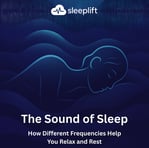
Want to dive deeper into how sound and frequencies can transform your sleep? Download our eBook: “The Sound of Sleep: How Different Frequencies Help You Relax and Rest”.
👉 It’s pay-what-you-want — just leave a donation that feels right to you.
Inside, you’ll discover:
How different frequencies affect your brain and body
Which sound types work best for deep sleep
Custom sound playlists to try
Final Thoughts
You don’t need to overhaul your entire life to get better sleep — just focus on small, intentional changes during the day. By building healthy habits and embracing natural tools like sound therapy, you can enjoy more restorative nights and energized mornings.
Looking for more sleep tips, soundscapes, and expert insights? Explore our blog and YouTube channel — your journey to better sleep starts here.

Sleep and Relax
Discover tips for better sleep and relaxation.
MAILING LIST
© 2025. All rights reserved.
Website by: